







How to Create a Relaxing Home Workspace for Better Focus
Creating a relaxing home workspace is crucial for maintaining focus and productivity, especially as more people work remotely. A well-designed space helps reduce stress and encourages a positive mindset, making it easier to tackle daily tasks. Whether you have a dedicated room or just a small corner, these tips will guide you in turning your area into a calming work environment.
Why a Relaxing Workspace Matters
When your workspace feels cluttered, noisy, or stressful, it can affect your concentration and creativity. A relaxing environment promotes mental clarity and well-being, which are essential for productivity. By prioritizing comfort and organization, you set yourself up to work more efficiently and enjoy the process.
Step 1: Choose the Right Location
Find a Quiet Spot
If possible, choose a space away from household distractions. A quiet corner or a spare room can provide the privacy you need to focus. If space is limited, consider using room dividers or noise-canceling headphones to minimize interruptions.
Use Natural Light
Position your desk near a window to take advantage of natural light. Sunlight lifts mood and reduces eye strain, making your work hours more pleasant. If natural light is scarce, invest in a good quality desk lamp with adjustable brightness and warm tones.
Step 2: Invest in Comfortable Furniture
Ergonomic Chair and Desk
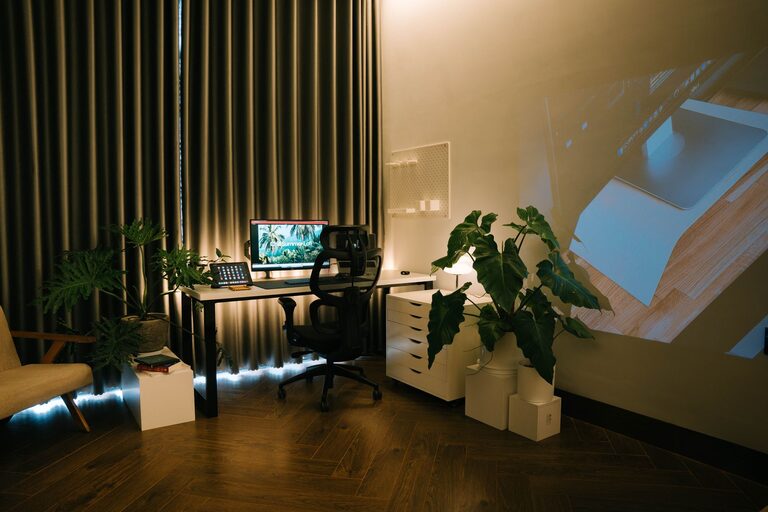
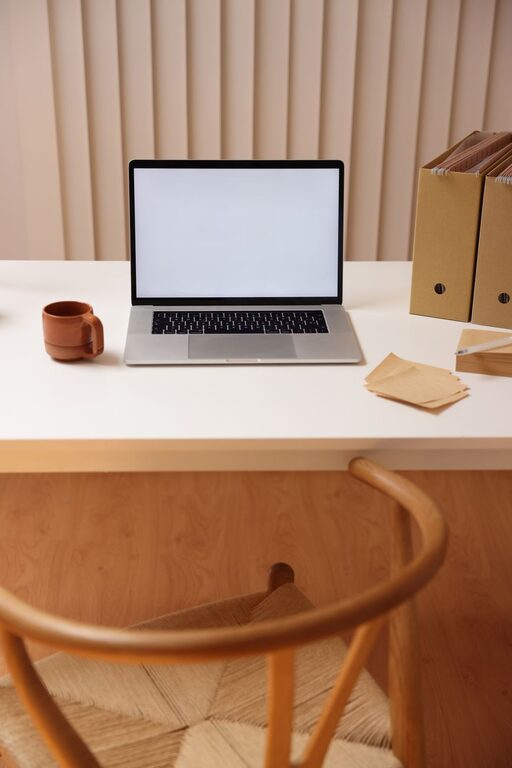
Comfort is key to sustaining long work sessions. An ergonomic chair supports your back and promotes good posture, preventing discomfort. Pair it with a desk at the right height to avoid strain on your wrists and shoulders.
Flexible Options
Consider adjustable desks that allow you to alternate between sitting and standing. This flexibility can improve circulation and reduce fatigue over time.
Step 3: Declutter and Organize
Keep Essentials Handy
Limit your workspace to items you use regularly. Too many objects can create visual noise and distraction. Use organizers such as trays, bins, or drawer dividers to keep supplies tidy and within reach.
Digital Declutter
Clear your computer desktop and maintain organized files to reduce digital clutter. A clean screen helps maintain focus and prevents frustration.
Step 4: Add Personal Touches with Care
Soothing Colors
Choose calming colors like soft blues, greens, or neutrals for your walls and accessories. These hues create a tranquil atmosphere conducive to work.
Plants and Nature
Adding plants can improve air quality and add a sense of calm. Even small succulents or a vase of fresh flowers can make a difference.
Art and Inspiration
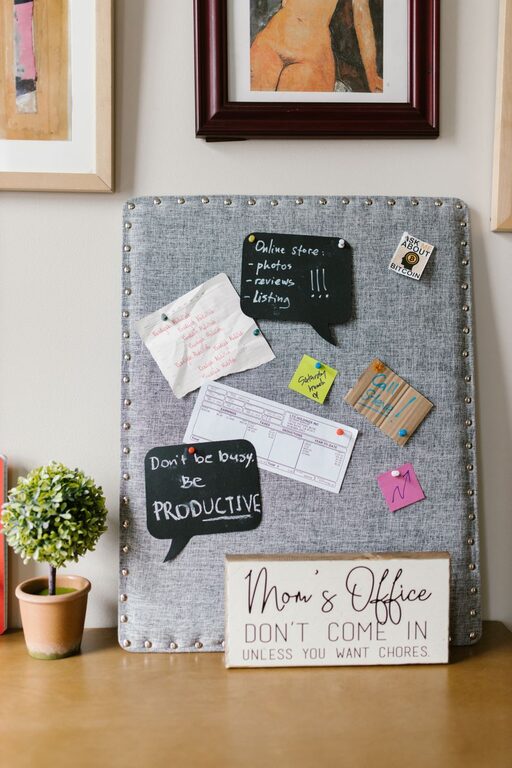
Include artwork or motivational quotes that inspire you without overwhelming the space. Mindfully selected decorations can boost your mood and creativity.
Step 5: Control Noise and Distractions
Sound Management
If noise is unavoidable, consider white noise machines, soft instrumental music, or noise-cancelling headphones. These tools help you stay focused in a busy household.
Manage Interruptions
Set boundaries with family or housemates about your work hours to minimize unplanned disturbances.
Step 6: Maintain Good Air Quality and Temperature
Fresh air and a comfortable temperature are essential for a relaxing workspace. Keep windows open when weather permits or use an air purifier indoors. Adjust your heating or cooling system to maintain a pleasant environment.
Step 7: Incorporate Break Areas
Even in a small space, designate a spot for short breaks. A comfortable chair or a cushion can encourage you to step away from your desk for stretching or relaxation, which improves overall productivity.
Final Tips for a Relaxing Workspace
– Keep it Clean: Regularly wipe surfaces and tidy up to maintain a fresh atmosphere.
– Limit Screen Glare: Position screens to avoid reflections and reduce eye strain.
– Use Cable Management: Tidy cables with clips or sleeves to prevent tangling and clutter.
– Personalize Wisely: Avoid overcrowding your space; simplicity often leads to relaxation.
Creating a relaxing home workspace doesn’t require a complete overhaul. Small, thoughtful changes can transform your environment into a peaceful, productive zone. By focusing on comfort, organization, and atmosphere, you’ll find it easier to stay motivated and enjoy your work-from-home experience.