






Simple Ways to Reduce Noise at Home for a Quieter Living Space
Living in a noisy environment can be stressful and tiring. Whether it’s traffic outside, neighbors, or household sounds, unwanted noise can affect your concentration, sleep, and overall well-being. The good news is that reducing noise at home doesn’t always require expensive renovations. There are simple, practical ways to create a quieter, more comfortable space.
In this post, we’ll explore several effective strategies you can try to reduce noise, improve sound quality, and enjoy your home’s tranquility.
Understanding Noise at Home
Before diving into solutions, it helps to understand where noise typically comes from:
– External noise: traffic, construction, neighbors, pets outside
– Internal noise: appliances, electronics, voices, footsteps, plumbing
– Structural noise: sound traveling through walls, ceilings, floors, and windows
Knowing the source helps target the right methods for noise reduction.
Quick and Easy Ways to Cut Down Noise
1. Use Soft Furnishings to Absorb Sound
Hard surfaces bounce sound around a room, increasing overall noise levels. Adding soft materials helps absorb sound waves:
– Rugs and carpets: Cover bare floors, especially hardwood or tiles
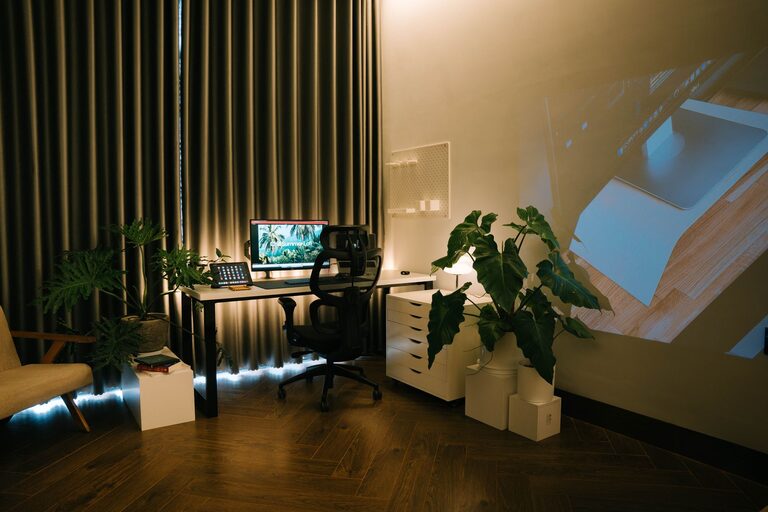
– Curtains and drapes: Thick, heavy curtains help block outside noise and absorb echoes
– Cushions and upholstered furniture: More fabric reduces sound reflections
These options also make your home cozy and inviting.
2. Seal Gaps and Cracks
Noises often sneak in through small openings around windows, doors, and walls. Sealing gaps is a simple step to block sound:
– Use weatherstripping tape on window and door frames
– Apply door sweeps at the bottom of doors
– Fill cracks around window frames or wall edges with caulk
This not only reduces noise but can improve energy efficiency too.
3. Rearrange Furniture
Believe it or not, the way you arrange furniture can affect noise levels:
– Place bookshelves or large furniture against shared walls to absorb sound
– Use room dividers or screens to break up open spaces and reduce echoes
– Position seating away from noisy appliances
Moving furniture strategically can make a noticeable difference.
More Advanced Noise Reduction Techniques
4. Add Soundproofing Panels or Acoustic Tiles
For homeowners looking for more effective sound control, soundproofing panels are a popular choice:
– Acoustic foam panels absorb sound and reduce echoes
– Fabric-covered panels blend with decor while improving acoustics
– They’re easy to install on walls or ceilings in noisy rooms like home offices or media rooms
Panels work best when combined with other noise reduction methods.
5. Upgrade Windows and Doors
Windows and doors are common weak points for noise intrusion:
– Double-glazed or triple-glazed windows provide better sound insulation
– Solid core doors block more sound than hollow ones
– Adding storm windows or door seals enhances noise blocking
While more costly, upgrading windows and doors can greatly improve quietness.
6. Use White Noise Machines or Soft Background Sounds
When noise can’t be fully eliminated, masking it can help:
– White noise machines produce consistent sounds that drown out sudden noises
– Fans, humidifiers, or nature sound apps can create calming background noise
– These tools are especially helpful for better sleep or concentration
They don’t reduce noise but make it less distracting.
Tips for Specific Noisy Areas
Kitchen and Laundry Rooms
– Place rubber mats under appliances to absorb vibration
– Use soft-close drawers and cabinet doors to reduce slamming
– Keep exhaust fans and dishwashers maintained to minimize noise
Bedrooms and Living Rooms
– Use heavy curtains to block street noise
– Add area rugs to reduce footsteps and echoes
– Consider upholstered headboards or wall hangings for extra sound absorption
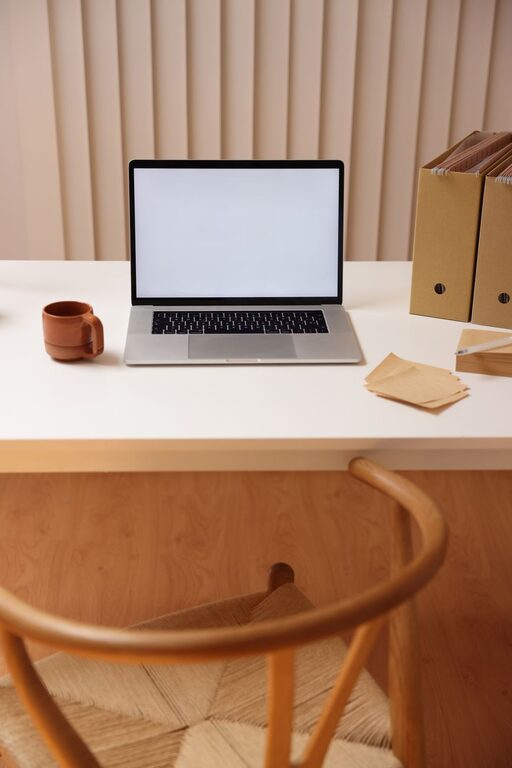
Home Offices
– Position desk away from noisy windows or doors
– Use a thick door curtain or draft stopper
– Add sound-absorbing panels or thick rugs underfoot
Maintaining a Quiet Home Environment
Noise reduction is an ongoing effort. Here are some tips to keep your home peaceful:
– Establish quiet hours and encourage family members to minimize loud activities
– Regularly check and maintain seals around doors and windows
– Consider landscaping with shrubs or trees to buffer exterior noise
By combining these simple steps, your home can become a much quieter and more relaxing place.
Conclusion
Reducing noise at home is both achievable and worthwhile. From adding soft textiles and sealing gaps to investing in soundproofing materials, there are many ways to create a peaceful environment. Start with the easy fixes and gradually explore more advanced solutions if needed. A quieter home contributes to better rest, focus, and comfort—making it a space you truly enjoy.
Try these simple strategies today and experience the benefits of a calmer, quieter living space.