






Tips for Choosing Comfortable Home Lighting That Enhances Your Space
Creating a comfortable living space goes beyond furniture and color schemes. One of the most impactful elements in your home environment is lighting. Good lighting not only illuminates your rooms but also sets the mood, improves functionality, and boosts your overall well-being. Choosing the right home lighting can seem overwhelming with so many options available. This guide offers helpful tips to select comfortable lighting that suits your space and lifestyle.
Understanding Comfortable Home Lighting
Comfortable lighting is about more than brightness. It combines the right intensity, color, and placement to create an inviting ambiance while supporting everyday activities. Poor lighting can cause eye strain, headaches, and fatigue, while well-designed lighting enhances relaxation and productivity.
Key Factors for Comfortable Lighting:
– Brightness: Avoid overly harsh or dim lighting. Aim for balanced illumination.
– Color Temperature: Warm light creates a cozy feel; cooler light enhances focus.
– Glare and Shadows: Choose fixtures that diffuse light softly to minimize glare and harsh shadows.
– Layering: Use multiple light sources for flexibility and depth.
Tips for Choosing Comfortable Lighting in Different Rooms
Living Room
The living room is a space for relaxation and socializing. Comfortable lighting here should be warm and inviting.
– Use Warm Color Temperatures (2700K to 3000K): Warm light replicates the softness of sunset, making the room feel cozy.
– Incorporate Layered Lighting: Combine overhead lights, floor lamps, and table lamps to adjust light levels as needed.
– Add Dimmer Switches: Control brightness to match different activities or moods.
– Avoid Harsh Downlights: Instead, opt for lampshades or diffused bulbs that soften light.
Kitchen
Kitchens require practical lighting for cooking and food prep but should remain welcoming.
– Bright, Neutral Light (3000K to 4000K): Neutral white light improves visibility without being cold.
– Task Lighting: Place LED strip lights or under-cabinet lights over countertops to illuminate work areas.
– Adjustable Fixtures: Use adjustable spotlights or track lighting to focus light where you need it.
– Avoid Flickering Lights: Flicker can be distracting and uncomfortable during detailed tasks.
Bedroom
A bedroom’s lighting should promote calmness and restful sleep while offering enough light for reading or dressing.
– Opt for Warm, Soft Lighting (2700K): Warm light soothes and prepares the body for sleep.
– Use Multiple Light Sources: Bedside lamps with adjustable brightness are great for reading and relaxing.
– Install Dimmer Switches: Easily shift from bright to dim lighting as the evening progresses.
– Minimize Blue Light Exposure: Avoid bright, cool-toned lights before bedtime to maintain natural sleep rhythms.
Home Office
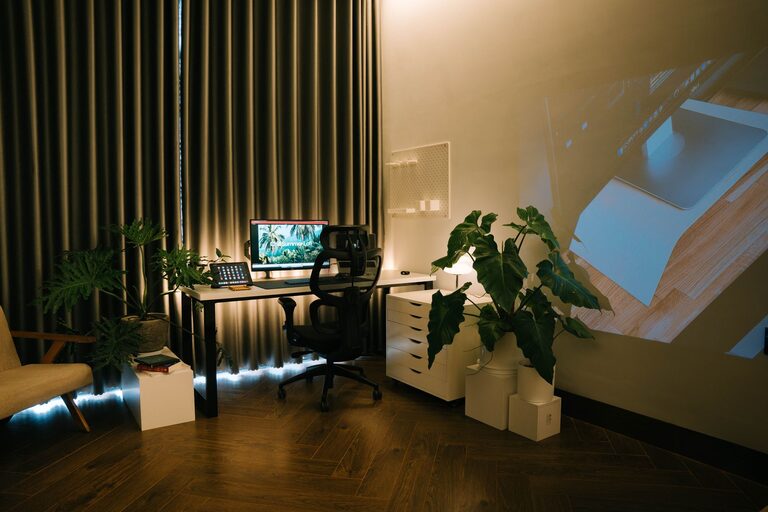
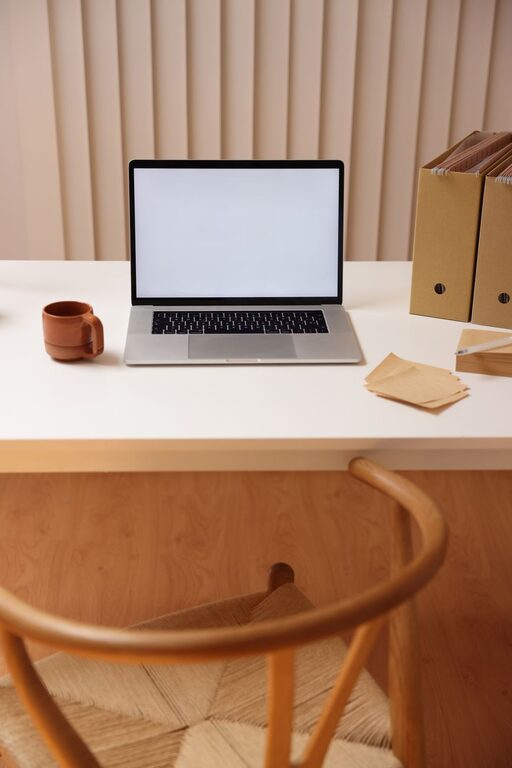
Functionality and comfort are key in a home office to maintain productivity and reduce eye strain.
– Cool White Light (4000K to 5000K): Cool white light helps keep you alert and focused.
– Diffuse Lighting: Use lamps with diffusers or soft shades to avoid glare on screens.
– Task Lighting: Adjustable desk lamps help concentrate light directly on your workspace.
– Natural Light: Maximize daylight when possible, but use blinds to control glare.
Choosing the Right Bulbs
Light bulbs come in different types, each with pros and cons related to comfort, energy use, and appearance.
– LED Bulbs: Energy-efficient, long-lasting, and available in a range of color temperatures. LEDs are ideal for almost every room.
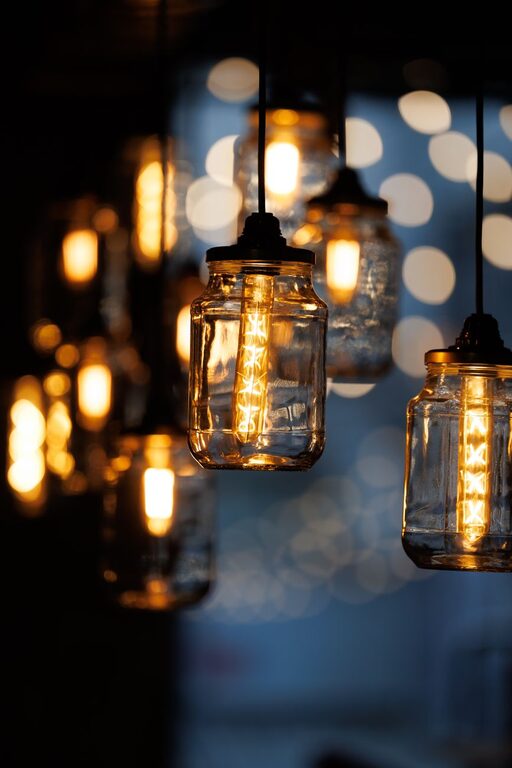
– Incandescent Bulbs: Produce warm, comfortable light but consume more energy and have a shorter lifespan.
– Compact Fluorescent Lamps (CFLs): More efficient than incandescent but may have a delay when turning on and sometimes emit a cooler light.
– Smart Bulbs: Allow you to adjust brightness and color temperature via an app or voice commands, offering maximum flexibility.
Fixtures and Design Considerations
The type and style of fixtures can also affect lighting comfort.
– Use Lamp Shades: Shades soften and spread light, reducing harshness.
– Consider Light Direction: Upward-facing fixtures create indirect light that’s easier on the eyes.
– Choose Fixtures According to Room Size: Large rooms may need multiple fixtures to distribute light evenly.
– Maintain Clean Fixtures: Dust and dirt can reduce light output and quality.
Additional Tips for Comfortable Lighting
– Balance Natural and Artificial Light: Use sheer curtains to let in daylight while reducing glare.
– Test Lighting Before Committing: Take bulbs and fixtures home and see how they perform at different times of the day.
– Mind the Color of Walls and Furnishings: Dark surfaces absorb light; light colors reflect it. Adjust lighting accordingly.
– Prioritize Energy Efficiency: Comfortable lighting doesn’t have to mean high energy costs. Choose energy-saving bulbs and controls.
Conclusion
Choosing comfortable home lighting is about finding the perfect balance of brightness, color temperature, and placement tailored to your lifestyle and space. By layering light sources, opting for warm tones in living areas, and using practical task lighting in workspaces, you can create a home environment that looks great and feels comfortable. Remember that modern bulbs and smart controls give you greater flexibility to adapt lighting to your needs and preferences. With these tips, your home lighting will enhance both the functionality and coziness of your living spaces.